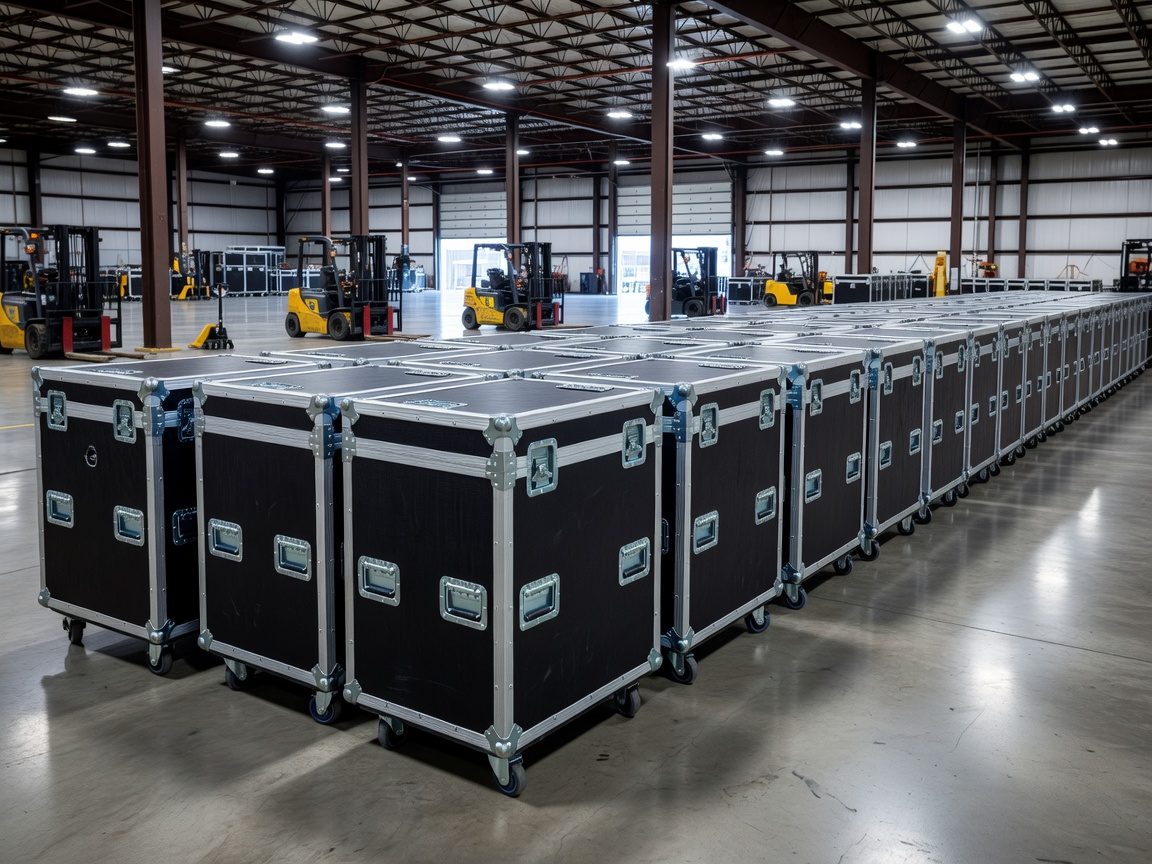
Heavy-duty aluminum and birch flight cases with custom high-density foam inserts, serialized for cross-border manifest checks.
1. Categorizing the Camp Cargo Manifest
A multi-week European summer or winter training camp generates a complex cargo footprint. We divide athletic freight into four distinct operational streams, each demanding specific vehicle payload considerations and packaging standards:
- Sensitive Sports Science Telemetry: Catapult/STATSports tracking pods, heart-rate straps, video analysis towers, drones, and high-frequency timing gates. These require vibration-isolated, Pelican-style watertight flight cases with anti-static foam.
- Medical and Physiotherapy Inventory: Mobile diagnostic ultrasound, portable hyperbaric chambers, massage tables, consumable strapping tape, and prescription pharmaceuticals requiring temperature monitoring between 15°C and 25°C.
- Field Training Equipment: Resistance sleds, agility hurdles, free weights, rebound nets, ball pressure gauges, and laundry skips holding training bibs and cold-weather thermal layers.
- Player Gear Skips: Individual personalized trunks containing boots with variable stud lengths (firm ground, soft ground, artificial turf), recovery slide footwear, and custom orthopedic insoles.
2. The Advance Freight Strategy: The 48-Hour Lead Time
The most significant mistake in camp planning is dispatching gear concurrently with team personnel. If a road transport vehicle hits bottleneck delays at the Gotthard Road Tunnel or Brenner Pass, the coaching staff arrives at an empty training pitch without balls, markers, or medical supplies.
We deploy a strict "Advance Freight Matrix." Dedicated 7.5-tonne box trucks or curtain-siders depart the home facility forty-eight hours ahead of team flight or coach departures. This allows a complete 24-hour buffer for mechanical issues, mountain transit queues, or unexpected customs spot-checks, ensuring everything is unpacked in the camp dressing room before the squad arrives.
Packaging Standard: Flight Casing vs. Soft Duffle Bags
Soft duffle bags must never be loaded into commercial road freight for delicate gear. They compress under load, offer no humidity protection in damp transit environments, and cannot be systematically double-stacked. Hard-shell ATA-300 rated flight cases with steel ball corners ensure structural survival across bumpy mountain roads.
3. Vehicle Selection: Van, Box Truck, or Articulated Trailer?
Choosing the right freight vehicle requires assessing payload weight, internal volume, and destination road access restrictions in remote training locales.
| Vehicle Class | Payload Capacity | Cubic Volume | Primary Use Case & Limitations |
|---|---|---|---|
| 3.5t Luton Van with Tail Lift | 900 – 1,100 kg | 18 – 20 m³ | Ideal for rapid advance drops and tight village access. Limited weight headroom for weights/plates. |
| 7.5t Rigid Box Truck | 2,600 – 3,200 kg | 34 – 38 m³ | The sweet spot for full squad camp freight. Excellent weight capacity, tail-lift capable, accessible. |
| 18t Rigid Heavy Truck | 8,500 – 9,500 kg | 50 – 55 m³ | Required for multi-team summer tournaments with heavy gym infrastructure. Height restrictions apply. |
| Articulated 40t Semi-Trailer | 24,000 kg | 90 m³ | Rarely suited for final mountain delivery; requires cross-docking at lowland distribution hubs. |
4. Temperature and Moisture Protection During Mountain Staging
European summer camps in the Pyrenees or Alps frequently encounter radical diurnal temperature swings: 28°C in the valley during afternoon transit, falling to 4°C overnight in alpine passes. Rapid temperature changes create condensation inside uninsulated freight trailers.
Moisture quickly damages sensitive electronic boards inside GPS docks and causes leather footwear and ball seams to absorb ambient moisture, altering their regulation weight. We utilize insulated box bodies with active dehumidification or desiccant packs within every primary telemetry crate.
5. Inventory Tracking and Digital Serialization
Every single case in transit must carry a weather-resistant QR code and high-visibility numbering that correlates to a central digital manifest. Kit managers receive instant confirmation when a box moves through waypoints, ensuring zero items are misplaced during multi-stop European preseason tours.